
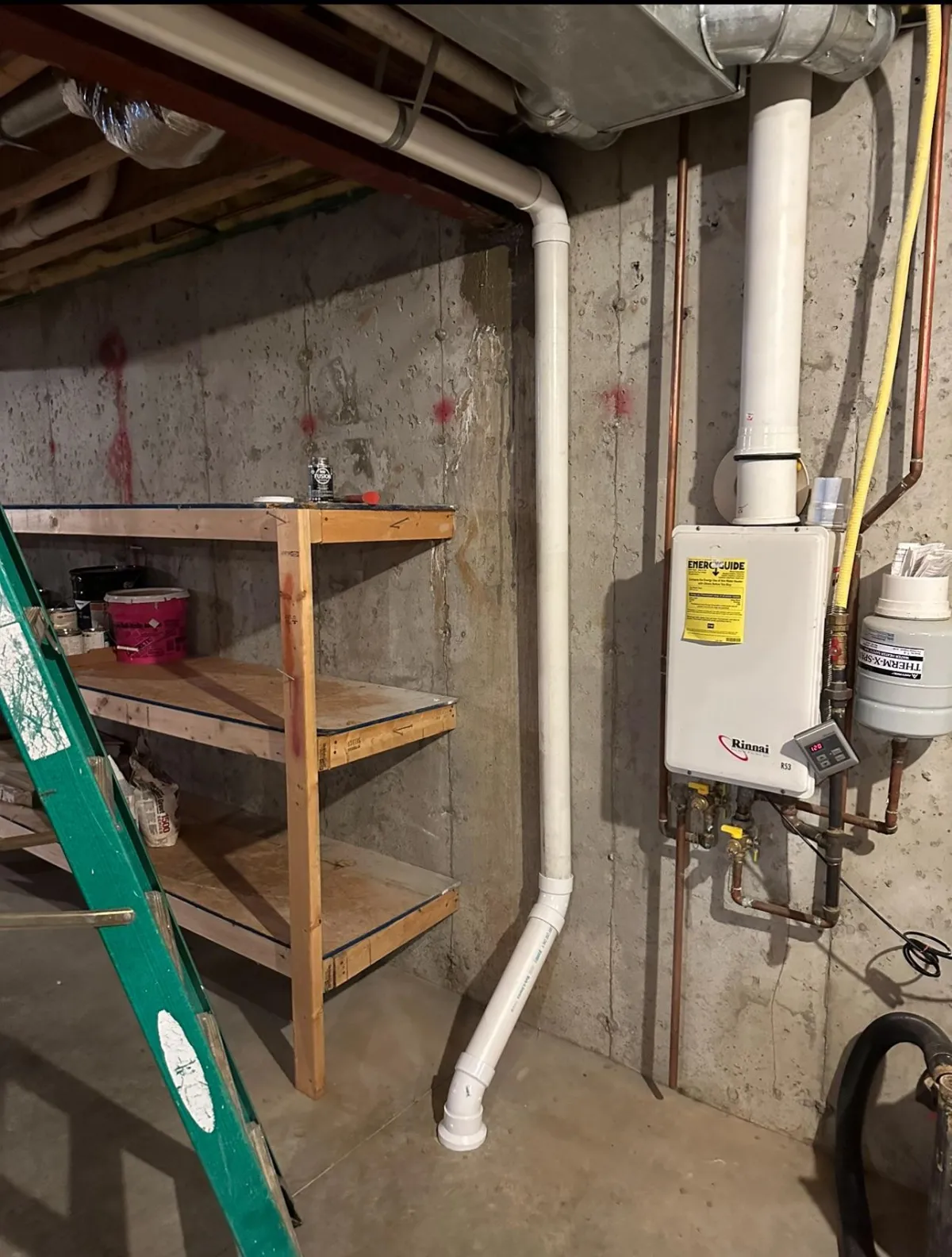
What happens during a radon mitigation installation?
A radon mitigation installation turns the agreed design into a working system. The contractor confirms the work area and route, installs the collection and venting components, completes the applicable sealing and electrical work, and checks operation.
Before the appointment, walk through the work areas using your written quote. Clarify which spaces need to be empty and whether you need to move stored belongings. Do not move heavy items or expose concealed services without instructions.
- Make the agreed entry route accessible.
- Keep children and pets away from work areas.
- Identify existing plumbing and electrical concerns.
- Have the original radon report ready.
How long does it take to install a radon mitigation system?
Air Sense says a standard residential installation is typically completed in one day. Treat this as general scheduling guidance, not a guaranteed completion time for your property. Ask whether your proposed work includes additional foundation areas, membrane installation or difficult access that changes the schedule.
Installation and proof of the resulting radon level are separate steps. Keep time for the test exposure period, collection and report delivery when planning around a sale or other deadline.
- Confirm arrival and access arrangements.
- Ask when the system can begin operating.
- Confirm when the test report is expected.
Where does the pipe go: inside, outside or through the attic?
The pipe route may be outside the house or through interior spaces and an attic, depending on the design. Ask to see the entire route, including the discharge and future fan access. A short route on paper may still interfere with a room, walkway or planned improvement.
Discuss penetrations and finish work explicitly. If a closet, wall or roof will be affected, ask who restores the surface and what restoration means in the quote. Take your own notes before authorizing a route change.
- Review visible exterior pipe locations.
- Identify access to the fan.
- Confirm treatment of wall and roof penetrations.
Can a homeowner install their own radon mitigation system?
A homeowner should not assume that assembling pipe and a fan produces a suitable radon system. Design, electrical work and discharge placement require appropriate expertise; discuss a qualified installation with Air Sense rather than treating a parts list as a complete specification.
Homeowner preparation is more useful when focused on access, records and questions. If a previous owner installed a system, supply any available paperwork before deciding which components can remain.
When is the follow-up radon test done?
EPA’s reduction guide recommends a post-mitigation test within 30 days, starting no earlier than 24 hours after the operating system is installed. Ask who schedules your test and whether an independent measurement is appropriate.
At handover, request a demonstration of the operating indicator and written instructions. Record the expected indicator reading or condition as the installer explains it. The follow-up report should join the original report in your property records.
- Confirm the testing appointment separately.
- Follow the tester’s preparation instructions.
- Keep installation and test dates together.
Questions before you book
Should I stay home during installation?
Confirm access and on-site contact arrangements with Air Sense. Your presence may be useful for reviewing routing decisions; the agreed work scope determines the practical arrangements.
Can I finish my basement after installation?
Tell the installer about planned finish work before choosing the route. Discuss how future walls, storage and ceilings will preserve system and service access.
What if the follow-up result is still elevated?
Contact the installer with the full report and review the next diagnostic step. Confirm adjustment terms in the written agreement before installation.