
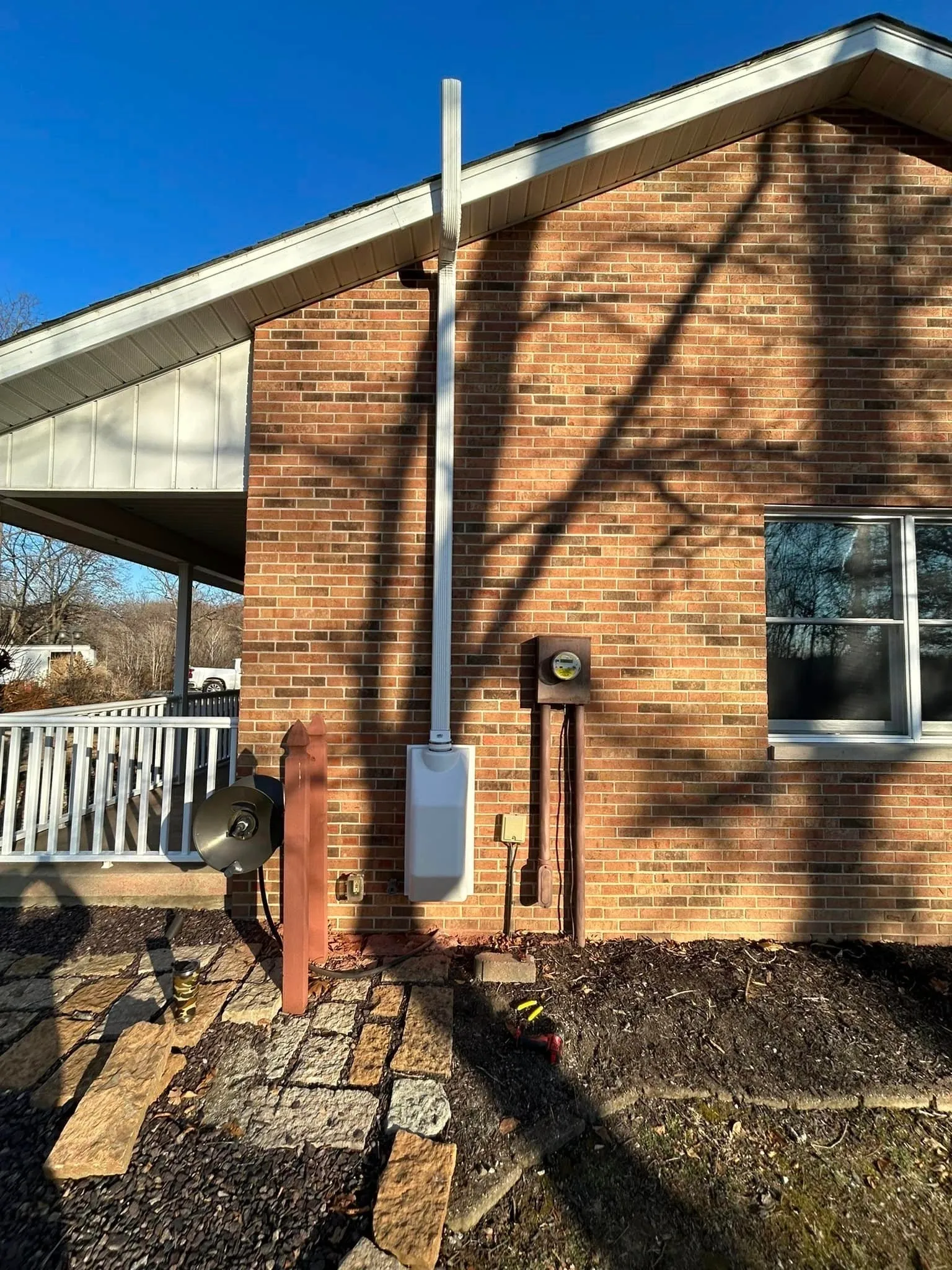
Who does radon mitigation in St. Louis?
Air Sense Environmental provides radon mitigation in the St. Louis metro. This website is a focused guide to that service, operated by the same provider. A useful first call starts with your address, the type of foundation and the report that prompted your search.
Call 314-664-9807 to discuss an assessment. Ask how the proposed system will be evaluated after installation; the answer should be part of the scope before work begins.
- Have the complete test report available.
- Describe any basement, slab and crawl space areas.
How do you choose a radon mitigation company?
Choose a radon mitigation company by the clarity of its proposal as well as its qualifications. Ask who will perform the work, which credentials apply to that person, and how the design accounts for your foundation. A low quote is difficult to compare when the retest or electrical work is missing.
- Request a written installation scope.
- Ask who arranges and pays for the retest.
- Read warranty terms and exclusions.
- Confirm the response to an elevated follow-up result.
What houses in St. Louis are most likely to have radon?
A house’s appearance cannot establish its radon level. New construction, a finished basement or a neighbor’s low result is not a substitute for testing your own property. The EPA explains that radon enters buildings from the ground.
For an assessment, describe the building rather than guessing its risk: foundation materials, additions, unfinished areas and access to the lowest level all help make the discussion specific.
Is it safe to live in a house with radon?
A radon test result is a reason to plan exposure reduction, not a medical diagnosis or a guarantee about an individual’s health. CDC identifies long-term radon exposure as a lung cancer risk. Discuss the result with a qualified radon professional; take personal health questions to a clinician.
Keep the report and record any follow-up recommendations. Avoid making decisions from an isolated monitor spike without understanding the measurement period.
What does radon mitigation cost in St. Louis?
Air Sense publishes a typical active sub-slab system range of $1,100 to $3,200. Your written quote determines the actual price and included work. Use the number as a planning range, then ask about foundation access, pipe routing, electrical provisions and post-installation testing.
- Ask whether the quoted amount includes all proposed suction points.
- Identify optional cosmetic routing separately.
Does homeowners insurance cover radon removal?
Insurance coverage must be confirmed with your insurer for your own policy and circumstances. Do not count an anticipated reimbursement toward the project budget without a written coverage decision. If a property sale is involved, a negotiated buyer or seller contribution is a separate question from insurance.
Send the insurer the proposed work description if requested. Air Sense can discuss the installation scope; the insurer determines coverage.
Questions before you book
Do I need a radon test before requesting mitigation?
An existing report is the best starting point. If you have no result, say so when calling so testing can be discussed before installation.
Can you quote from a photo?
Photos can help explain access and routing. Ask whether an on-site assessment is needed before treating an estimate as a final quote.
What should I keep after installation?
Keep the proposal, system instructions, warranty terms and follow-up radon report together for future service or a property sale.