
How High Water Tables Affect Radon Mitigation System Design
By Jake Lusby · Air Sense Environmental
A high water table significantly impacts radon mitigation system design, as saturated soil beneath a home’s foundation restricts the airflow necessary for effective sub-slab depressurization. This condition, common in regions like St. Louis, MO, and St. Charles County, poses unique challenges to conventional radon removal techniques. When groundwater saturates the sub-slab area, it impedes the crucial soil gas pathways, making it difficult for a standard system to create the uniform negative pressure needed. This can lead to inefficient radon reduction, increased fan strain, or even water intrusion into the mitigation system, risking damage and persistent elevated indoor radon levels. Understanding these complex fluid dynamics is crucial for designing specialized solutions that ensure continuous, reliable radon reduction, protecting your home and family.
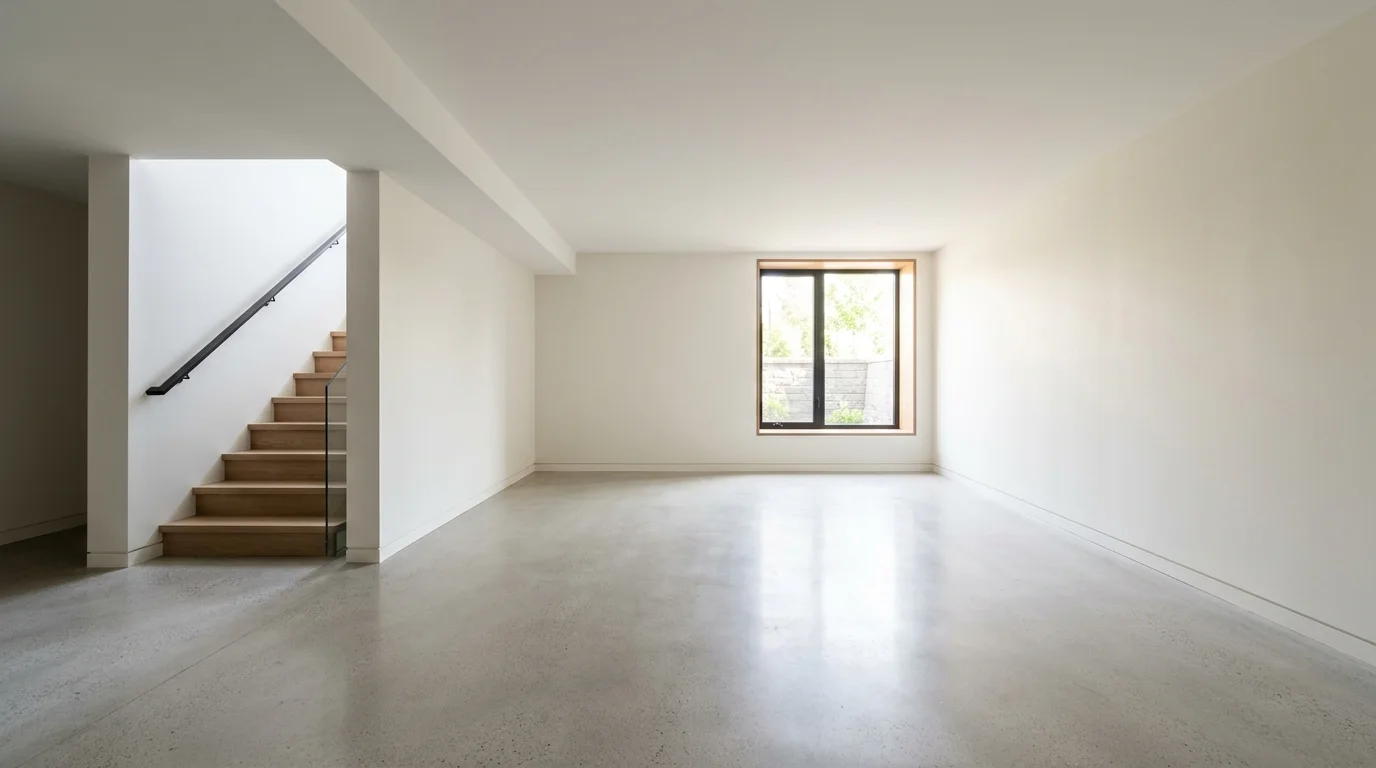
Why does a high water table complicate radon mitigation?
A high water table significantly complicates radon mitigation efforts because it directly impedes the effectiveness of standard sub-slab depressurization systems. These systems rely on creating negative pressure to draw soil gas, including radon, from beneath a home’s foundation and vent it safely outside. When the soil beneath the slab is saturated with water, this crucial airflow is severely restricted, making effective radon removal challenging.
Impeded Airflow
Water fills the porous spaces in the soil and gravel layer beneath the slab, blocking the pathways radon gas would normally use to travel to the suction point. This saturation prevents the uniform depressurization required for effective mitigation. Key airflow disruptions include: * Water filling porous soil spaces. * Gravel layers becoming saturated. * Radon gas pathways being physically blocked.
Increased Fan Strain and Water Intrusion
A mitigation fan attempting to draw air from saturated soil may pull water, leading to potential fan damage, reduced system efficiency, and water entering the system’s piping. This can create gurgling sounds in sump pits and compromise the system’s integrity.
Fluctuating Effectiveness
Water table levels can fluctuate seasonally or after heavy rainfall. A system performing adequately during dry periods may become ineffective when the water table rises, causing radon levels to spike above the EPA action level of 4.0 pCi/L.
Sump Pit Challenges
Sump pits, often used for water management in wet basements, become a direct entry point for radon if not properly sealed and integrated into the mitigation system. High water levels can compromise these seals, allowing radon to enter the living space.
What specialized radon mitigation systems work with high water tables?
Effective radon mitigation in homes with high water tables requires specialized techniques beyond conventional sub-slab depressurization. These methods manage challenging moisture conditions, ensuring radon levels are reduced to acceptable standards, typically below the EPA action level of 4.0 pCi/L. The U.S. Environmental Protection Agency (EPA) outlines various radon reduction techniques, emphasizing soil suction as a common and reliable method adaptable for wet conditions. Specialized approaches prioritize preventing water from impeding airflow or entering the system.
Sealed Sump Pit Depressurization
When a home has a sump pump, the pit can be sealed with an airtight cover. A suction pipe inserted through this cover allows the radon fan to draw soil gas from beneath the slab while the sump continues to manage water. This method prevents water from entering the system, maintaining sub-slab depressurization, as described in the EPA’s 2025 Consumer’s Guide to Radon Reduction.
Drain Tile Depressurization
Homes with existing drain tiles or perforated pipes around the foundation can utilize these for radon mitigation. Suction applied to these tiles, designed to collect and divert water, effectively draws radon gas from the soil before it enters the home. This technique provides several advantages: * Utilizes existing perforated pipes. * Draws radon before it enters the home. * Leverages existing drainage infrastructure to create a depressurized zone.
Water Bypass Systems
In situations where water intrusion into suction piping is a persistent risk, a water bypass system can be integrated. This design allows any collected water to drain away from the fan and into a sump pit or other drainage, preventing damage to the radon fan and maintaining system effectiveness. Proper design ensures continuous operation even with fluctuating water levels.
How do mitigation systems prevent water from entering the radon fan?
Preventing water intrusion into the radon fan is critical for ensuring system longevity and effectiveness, especially in homes with high water tables. Specialized design elements and installation practices ensure moisture stays out of the fan and piping, safeguarding the system’s ability to reduce indoor radon levels. Such measures are essential for continuous operation and reliable radon reduction.
Sump Pit Sealing Techniques
In basements with sump pumps, the sump pit serves as a common entry point for both radon gas and water. Effective mitigation systems cap these pits with an airtight, sealed lid. This allows the sump pump to function while preventing radon entry and blocking water from being drawn into the mitigation piping. The EPA notes that sealing foundation cracks and other openings is a basic part of most radon reduction approaches, making the system more effective and cost-efficient by limiting radon flow into the home.
Optimal Fan Placement
The radon fan, which creates suction to draw gas from beneath the slab, is strategically placed in unconditioned spaces. Common locations include attics, garages, or the exterior of the home. This placement ensures that if any moisture were to bypass other defenses, it would not affect the fan in a living area. The EPA specifies that the exhaust fan must not be located in or below a livable area.
Water Bypass and Drainage
Mitigation systems designed for high water tables often incorporate features to manage water effectively. Key drainage components include: * Drain tile depressurization applying suction to existing perforated pipes. * Piping routed to ensure collected water drains away from the fan using gravity. * Dedicated water bypass loops to prevent water from reaching the fan.
This prevents water from reaching the fan and maintains the system’s ability to keep radon levels below the EPA action level of 4.0 pCi/L.
What are the maintenance considerations for radon systems in wet basements?
Radon mitigation systems in homes with high water tables require specific maintenance to ensure continuous effectiveness. Regular checks and timely retesting are crucial to confirm the system continues to lower radon levels, especially as moisture impacts performance. This proactive approach protects your St. Louis, MO, home from elevated radon concentrations.
Monitor Warning Device
Active systems include a warning device, such as a manometer, to indicate fan operation. Homeowners should check this regularly to ensure the system remains active, as outlined in the EPA’s Consumer’s Guide to Radon Reduction.
Regular Retesting
Even after mitigation, retest your home for radon at least every two years. The EPA recommends fixing homes if radon levels are 4.0 pCi/L or higher, and retesting verifies the system’s ongoing effectiveness against this action level.
Fan Longevity
Mitigation fans operate continuously but typically last five years or more. Watch for unusual noises or system warnings; the fan may need repair or replacement to maintain proper radon reduction, as noted in the EPA’s Consumer’s Guide.
Inspect for New Cracks
House settling can create new radon entry points. Regularly inspect your foundation, sump pit seals, and other potential gaps for cracks that could compromise the system’s effectiveness. Key areas to check include: * Foundation walls for settling cracks. * Sump pit seals and covers. * Gaps in the basement floor slab.
Why is professional radon mitigation crucial for high water tables?
Effectively addressing radon in homes with high water tables requires specialized expertise for a reliable, lasting solution. Standard mitigation techniques often prove insufficient when sub-slab areas are frequently saturated, risking ineffective radon reduction. This is why relying on professionals, like Air Sense Environmental, is crucial for diagnosing complex conditions and implementing code-compliant strategies that protect your home.
Expert Diagnosis of Sub-Slab Conditions
Professionals accurately assess the unique fluid dynamics beneath your foundation, identifying how water impacts soil gas movement. This diagnostic step is critical for designing a system that effectively draws radon without drawing water.
Customized System Design
A qualified contractor designs a system tailored to your home’s specific challenges, often incorporating specialized techniques like sealed sump pit depressurization or drain tile depressurization. This ensures the system can reduce radon levels to below the EPA action level of 4.0 pCi/L.
Compliance with Industry Standards
Professional mitigators adhere to established industry standards and local building codes, ensuring safe and effective installation. The EPA recommends using a qualified contractor for radon reduction, as lowering high radon levels requires specific technical knowledge and skills, as outlined in the Consumer’s Guide to Radon Reduction.
Long-Term Effectiveness and Peace of Mind
A professionally installed system is designed for durability and continuous operation, even in challenging wet basement conditions. This provides lasting protection against radon intrusion, giving homeowners confidence in their indoor air quality.
Does heavy rain or seasonal flooding impact radon levels?
Yes, heavy rain and seasonal flooding can significantly impact indoor radon levels. When the soil around a home’s foundation becomes saturated, it blocks the normal pathways for radon gas to escape into the atmosphere. This increased soil moisture can force radon to seek alternative entry points into the home, often through foundation cracks or sump pits, leading to temporary spikes in indoor concentrations. Because of these weather-related fluctuations, the EPA’s A Citizen’s Guide to Radon advises against conducting short-term tests lasting just 2 or 3 days during unusually severe storms or periods of unusually high winds.
Blocked Soil Gas Pathways
Heavy rainfall saturates the ground, effectively capping the soil surface and preventing radon from venting naturally into the outdoor air.
Increased Foundation Pressure
With outdoor escape routes blocked, soil gas pressure builds up against the home’s foundation, forcing radon through any available cracks or openings.
Temporary Concentration Spikes
These weather events can cause short-term spikes in indoor radon concentrations, which is why mitigation systems must be designed to handle fluctuating water tables effectively.
Can a high water table affect radon testing accuracy?
Yes, a high water table can influence radon testing accuracy, particularly with short-term tests. Elevated soil moisture can temporarily suppress radon entry or alter its pathways, potentially leading to lower readings than the year-round average. For reliable results, especially in areas prone to high water tables, it is often recommended to conduct long-term tests or retest during different seasons. The EPA recommends fixing homes if radon levels are 4.0 pCi/L or higher, so accurate testing is vital.
Suppressed Radon Entry
Saturated soil can temporarily block radon from entering the home, resulting in a short-term test that reads artificially low.
Altered Gas Pathways
Water table fluctuations can change how and where radon enters the structure, making a single short-term test less representative of the home’s overall exposure.
Testing Recommendations
To ensure accuracy, homeowners should: * Conduct tests during normal weather conditions when possible. * Consider long-term testing for a year-round average. * Retest if a short-term test was conducted during unusual flooding.
Does a high water table mean I have radon in my well water?
Not necessarily, but a high water table does increase the likelihood of radon in well water if your supply comes from groundwater. Radon in water is primarily a concern for private wells drawing from underground sources, not surface water. While soil gas is typically the larger risk for indoor air radon, well water can release radon into the air during household use. Testing both air and water is recommended if you have a private well and elevated indoor air radon, as outlined by the EPA.
Groundwater Sources
Radon in water is generally only an issue for homes that rely on private wells drawing from deep groundwater sources, rather than municipal surface water.
Indoor Air vs. Water Risks
The primary risk from radon in water is inhalation when the gas is released into the air during showering or washing, rather than ingestion.
Testing Both Sources
If your home relies on a private well and you have high indoor radon levels, the EPA recommends testing the well water to determine if point-of-entry water treatment is necessary.
Understanding how high water tables affect radon mitigation is crucial for protecting your home. If you have concerns about radon in your St. Louis area property, especially with a wet basement, reach out to our professionals. We design custom solutions for effective, lasting radon reduction. Schedule a consultation to discuss your specific needs with Air Sense Environmental.
Prepared with AI assistance using the linked primary sources. For property-specific advice, contact Air Sense Environmental.