
What is the fastest way to get rid of radon?
The most useful first step is to act on a valid radon report and arrange a qualified assessment. Speed alone does not make a reduction method dependable. Keep the existing result available and ask which follow-up steps are appropriate for its level and test type.
If you have a property deadline, state the exact date. Ask about installation and reporting as separate milestones.
- Locate the complete report.
- Describe the foundation.
- Explain any deadline before scheduling.
Does opening windows reduce radon?
Opening windows changes ventilation, but it is not a dependable long-term radon control plan. EPA’s reduction guide treats natural ventilation as temporary. Windows will eventually close, and weather and household use change.
Do not open windows to influence a test. Follow the measurement instructions so the report can support the decision it was intended to answer. Ask your tester how to report any accidental interruption.
Do air purifiers get rid of radon?
An ordinary air purifier should not be purchased as a substitute for radon mitigation. Radon is a gas, and a product promoted for dust or other particles does not establish that it will control the source of radon entering the home.
If a product claims to solve a radon problem, ask for independent evidence relevant to the complete household application. A subsequent room measurement is still needed; marketing language cannot replace that result.
- Separate particle-filtration claims from radon-reduction claims.
- Avoid treating an air-quality display as a radon test.
Does AC reduce radon?
Air conditioning is not a radon mitigation specification. Temperature control does not demonstrate a reduction in the home’s radon concentration. Tell the tester how the house is normally operated and follow the device-specific instructions during measurement.
If ventilation equipment is being considered as part of a designed radon solution, request the reason for that choice and the plan to verify it. Do not infer the result from comfort or airflow.
Can you do radon mitigation yourself?
Radon mitigation requires more than buying a fan and sealing visible cracks. EPA does not recommend sealing alone as a reduction method. A qualified contractor can address the foundation, vent route and operation as one system.
For a homeowner, a practical contribution is documenting the building and reviewing the proposed work. Gather plans for additions, photos of accessible foundation areas and any existing-system records.
- Describe inaccessible crawl space areas.
- Identify previous foundation work.
- Ask which tasks require qualified trades.
How do you get rid of radon in a basement?
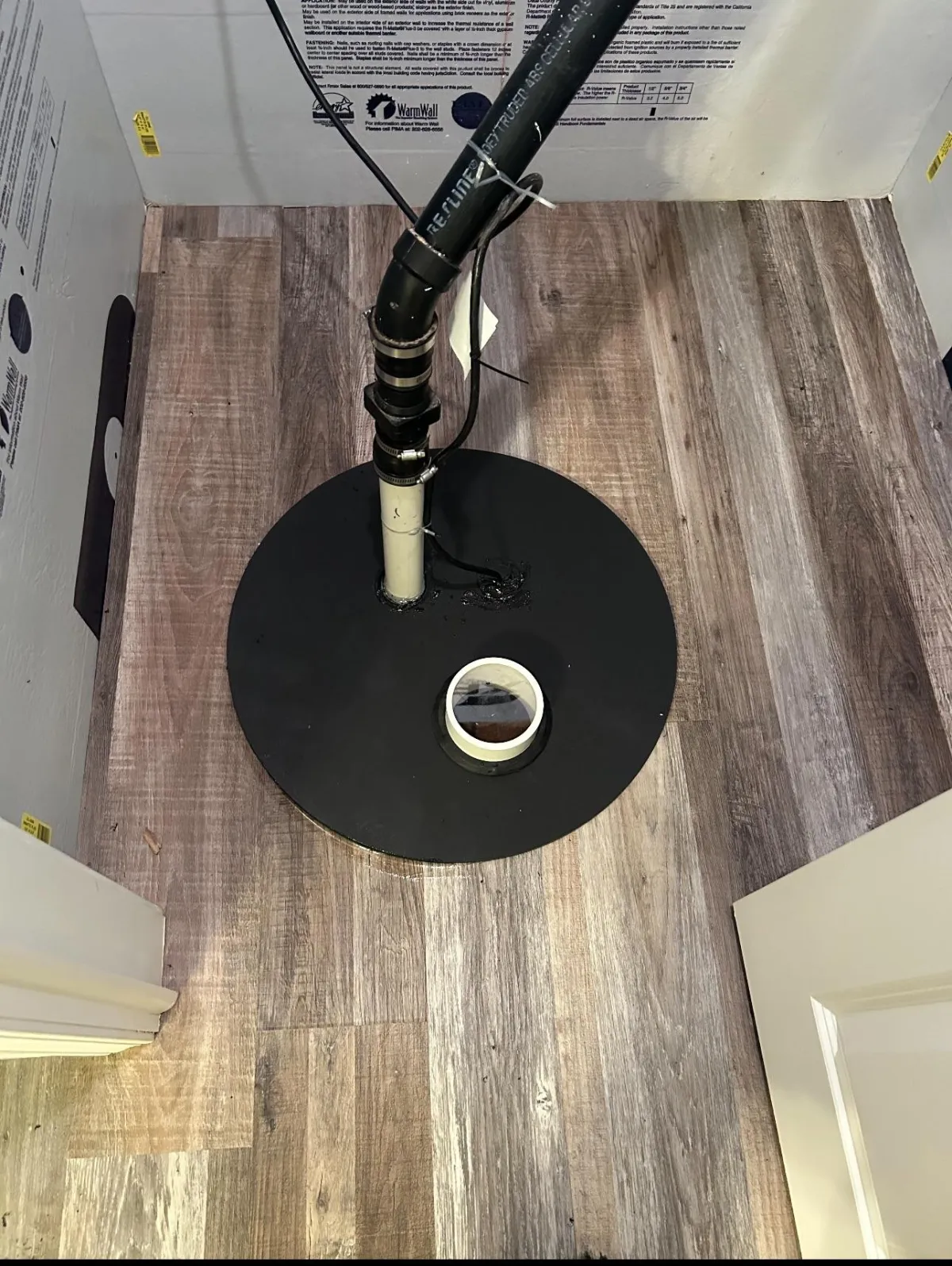
A basement radon assessment should consider the slab, connected foundation areas and available pipe routes. Air Sense commonly uses active sub-slab depressurization for residential mitigation. The specific design needs an assessment, even when the basement looks similar to a photograph online.
Ask for the proposed route and follow-up test arrangements in writing. A natural or passive approach should not be selected simply to avoid equipment; its performance still needs to be measured.
Questions before you book
Can cleaning the basement remove radon?
Cleaning does not establish control of radon entering from the ground. Use a radon measurement to guide the next step.
Will the system remove all radon?
Do not expect a guarantee of zero radon. Discuss a measurable reduction objective and confirm the actual result with testing.
What information should I send Air Sense?
Provide the address, complete test report, foundation type and any existing-system details. Call 314-664-9807 to discuss an assessment.